Cracks in your property?
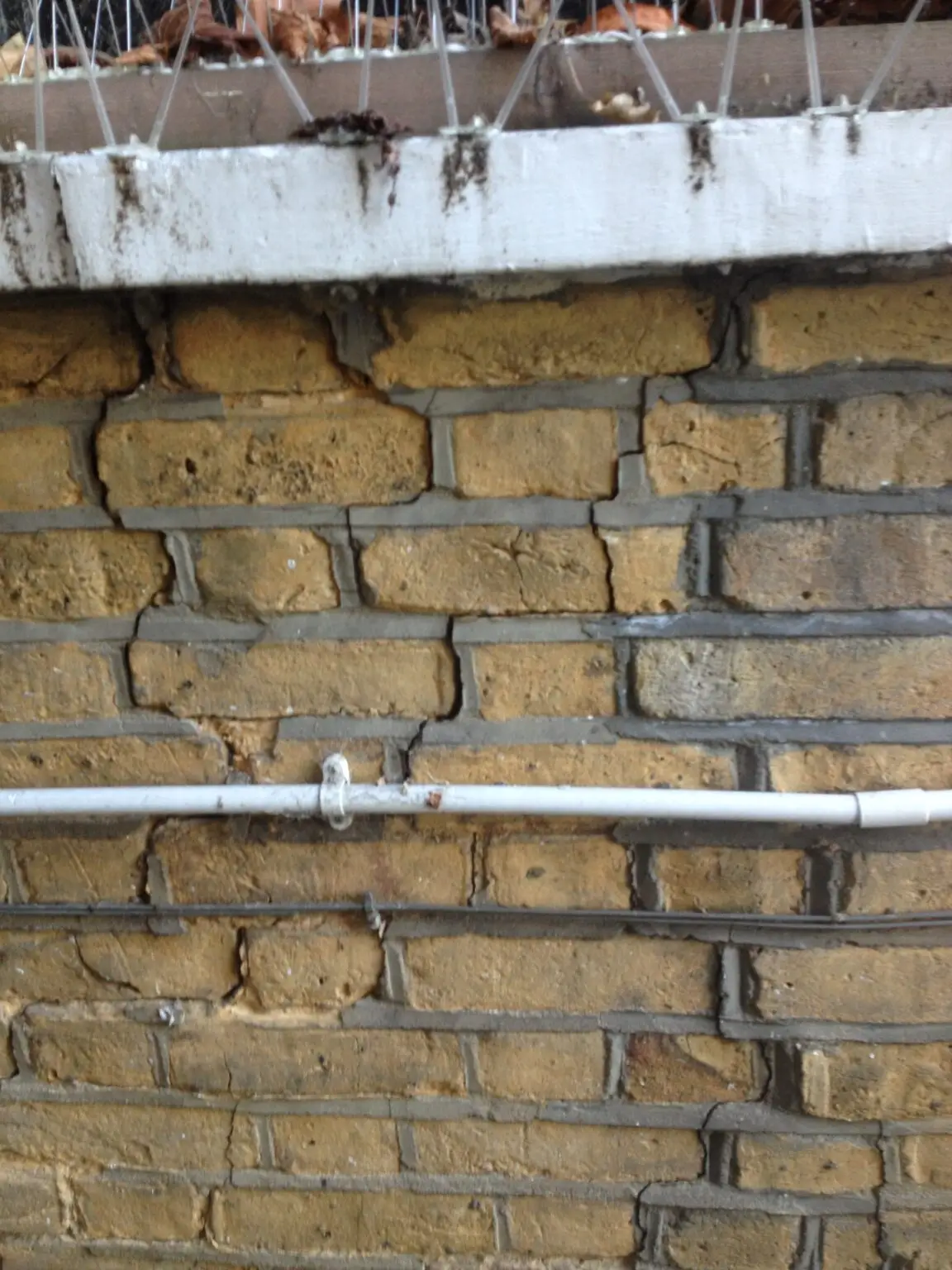
Discovering cracks in your home can be alarming, but not all wall cracks signal serious structural failure. Many are simply cosmetic, caused by natural building movement, seasonal temperature changes, or drying plaster.
Common Causes of Wall Cracks:
Drying & Shrinkage: Common in newly built properties or recent renovations as plaster and materials settle.
Thermal Expansion: Seasonal changes in temperature and humidity cause materials to expand and contract naturally.
Structural Movement & Subsidence: 2026 has been yet another very hot and dry summer in the UK. This has led to the ground drying out and a large number of cracks appearing in properties. Changes in ground soil, nearby tree root activity, or leaking underground drains can compromise foundations, leading to deeper, diagonal cracks—often around door and window frames.
While hairline fractures are generally safe, diagonal cracks wider than 3mm, cracks that pass through external brickwork, or doors and windows that suddenly stick should be inspected by a Structural Engineer.
Our qualified structural engineers are skilled at identifying the underlying causes of cracking problems and suggesting remedial work to solve them. The reports we produce are clear and written in plain English so that you can actually understand what is going on with your property.
How to get a quote
To arrange an inspection, please email cracks@thestructuralengineers.co.uk with the following details:
- Your name
- Your email address and phone number
- The full address and postcode of the property
- The property type (e.g., Victorian terrace, 1930s semi-detached, modern flat).
- The approximate height of the building
- A brief description of when the cracks started appearing, if they are internal or external and how wide, deep and long the worst ones are
- Please include a few clear photos showing the cracks up close, as well as wider shots showing their location on the wall or structure.
Once received, one of our team will review your information and respond with details of the next steps. (please allow 24 hours for a response).
Important Information and FAQs
At Martin Structural Engineers we complete more than 200 inspections a year to review cracking and we find that the same questions are regularly asked. We have therefore provided some of these below along with typical answers:
Do I need a Chartered Engineer to carry out the inspection and write the report?
Generally there are no requirements for a Chartered Engineer to complete this type of inspection.
My Insurance Company or Bank has stated that the report must be completed by a Chartered Engineer.
There are no legal requirements for a Chartered Engineer to complete this type of inspection but some banks and Insurers do insist that a Chartered Engineer signs the report. Our Associate Engineers and Engineering Director are all Chartered Engineers so where necessary they can countersign any report we issue to make sure that it complies with these requests.
Can I send your report to my Insurance Company?
Yes. Our reports can be used as part of an insurance claim. some insurers do occasionally request additional information and where possible we will try to accomodate any requests.
Will you provide a cost for any required repair work?
In limited cases we can provide a ballpark suggestion of costs however we would always encourage customers to obtain quotes from contractors as these will be far more accurate.
How much does this type of investigation cost?
As with most Consultants we work to hourly rates, rather than a fixed fee as we believe this is a fairer way to charge for our work. Most customers find our fees to be very reasonably and we have very positve feedback on both Trustpilot and Google. Please contact us for a personalised fee proposal.